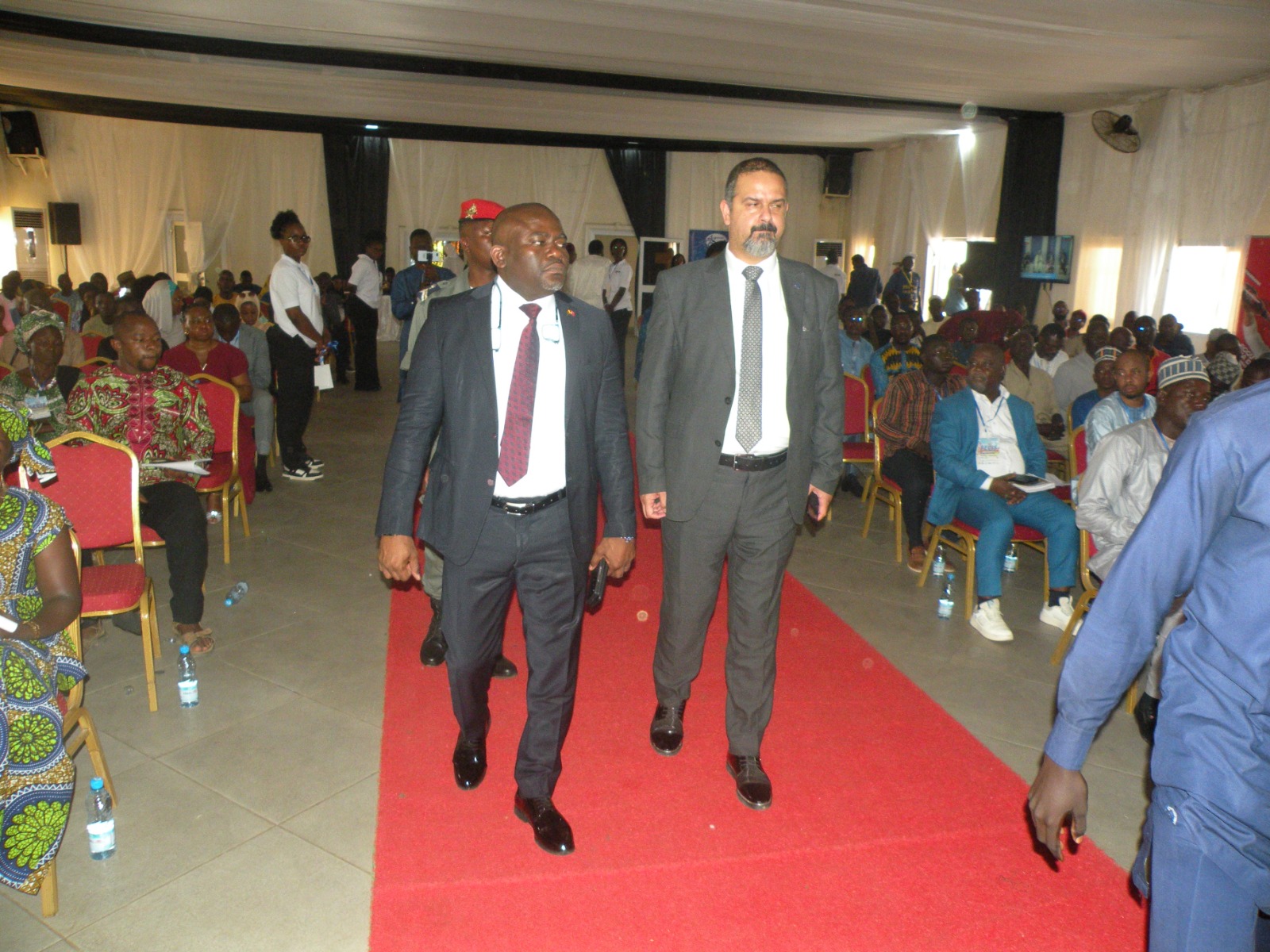
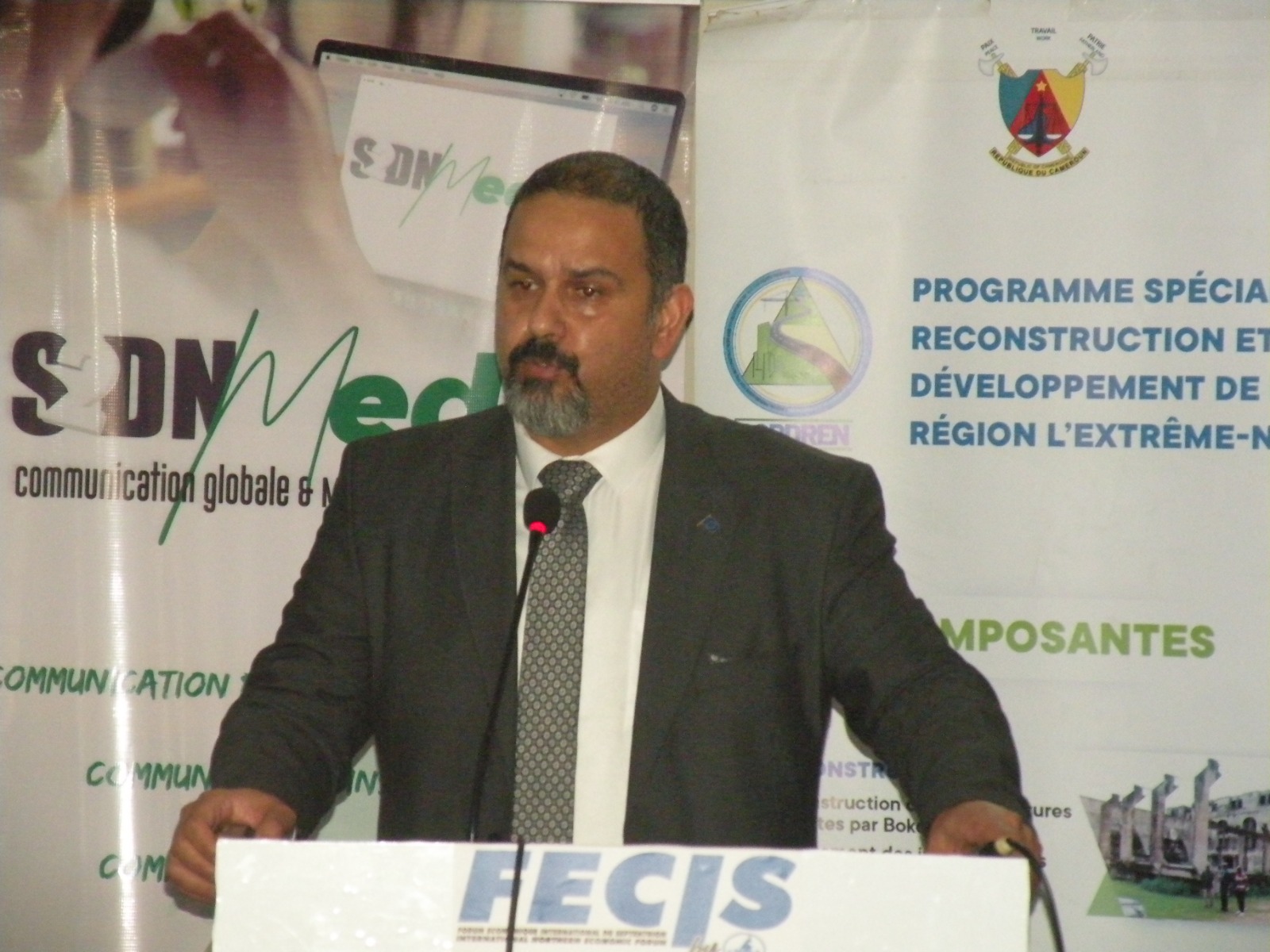
At the invitation of the Minister of Trade of Cameroon, BDU Vice President Prof. Dr. Mehrdad Fojlaley paid an official working visit to Cameroon from 2 to 6 November 2026. During his visit, he attended the FECIS 2026 International Economic Forum, held in the city of Garoua, Cameroon, as a Special Speaker.
FECIS 2026 brought together international investors, government representatives, academics, and prominent business leaders. The forum provided an important platform for discussing regional economic development, investment opportunities, technology transfer, and the advancement of international cooperation.
High-Level Meetings with Cameroonian Ministers
H.E. Gabriel Mbairobe, Minister of Agriculture and Rural Development of Cameroon (Left), and H.E. Dr. Taiga, Minister of Livestock, Fisheries and Animal Industries of Cameroon (Right).
During the meetings, potential areas of cooperation were explored in the use of modern technologies in the agriculture and food sectors, increasing production efficiency, reducing food losses, and introducing innovative technologies to African markets.
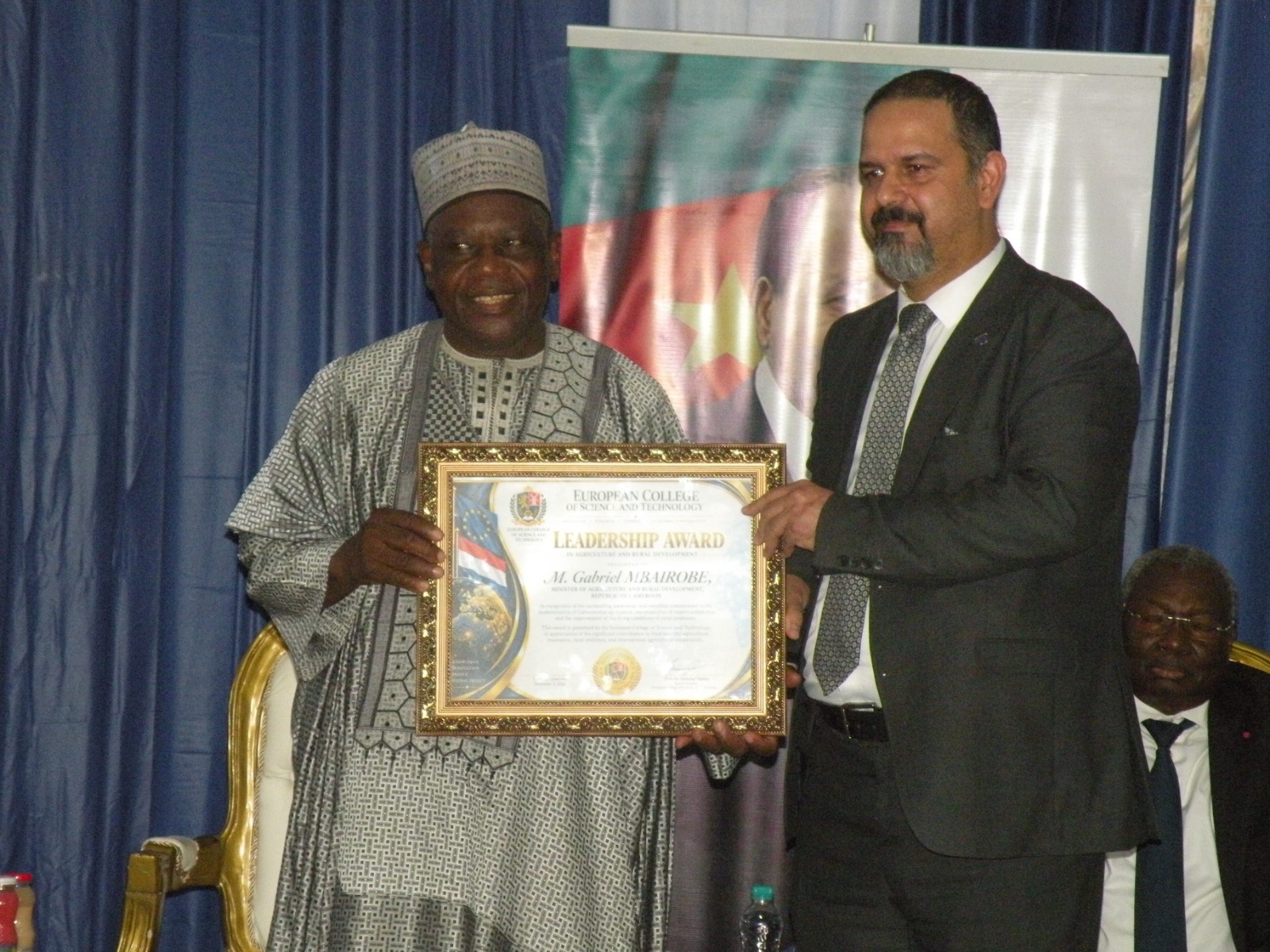
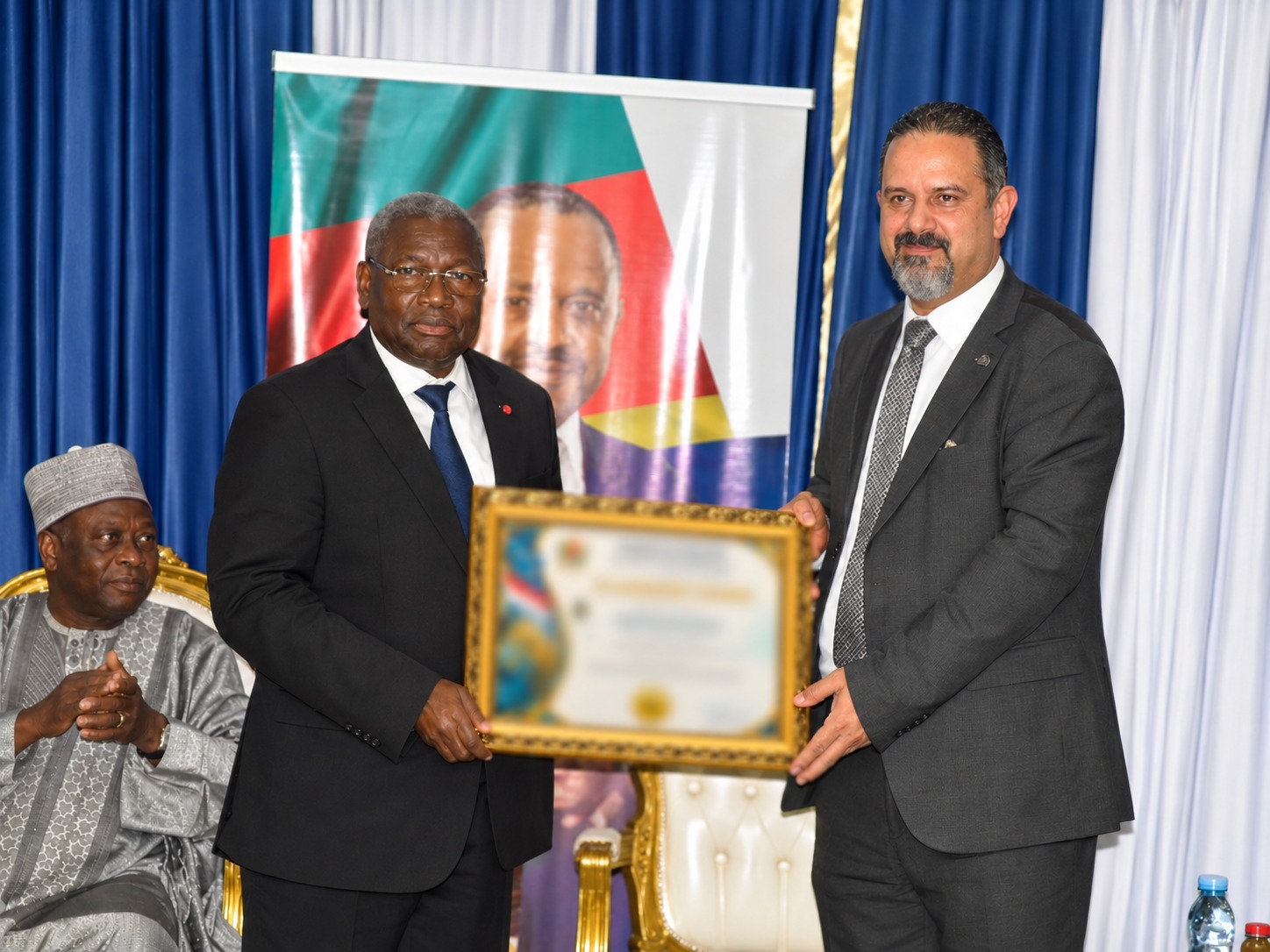
A New Step Towards Science Diplomacy and Sustainable Development
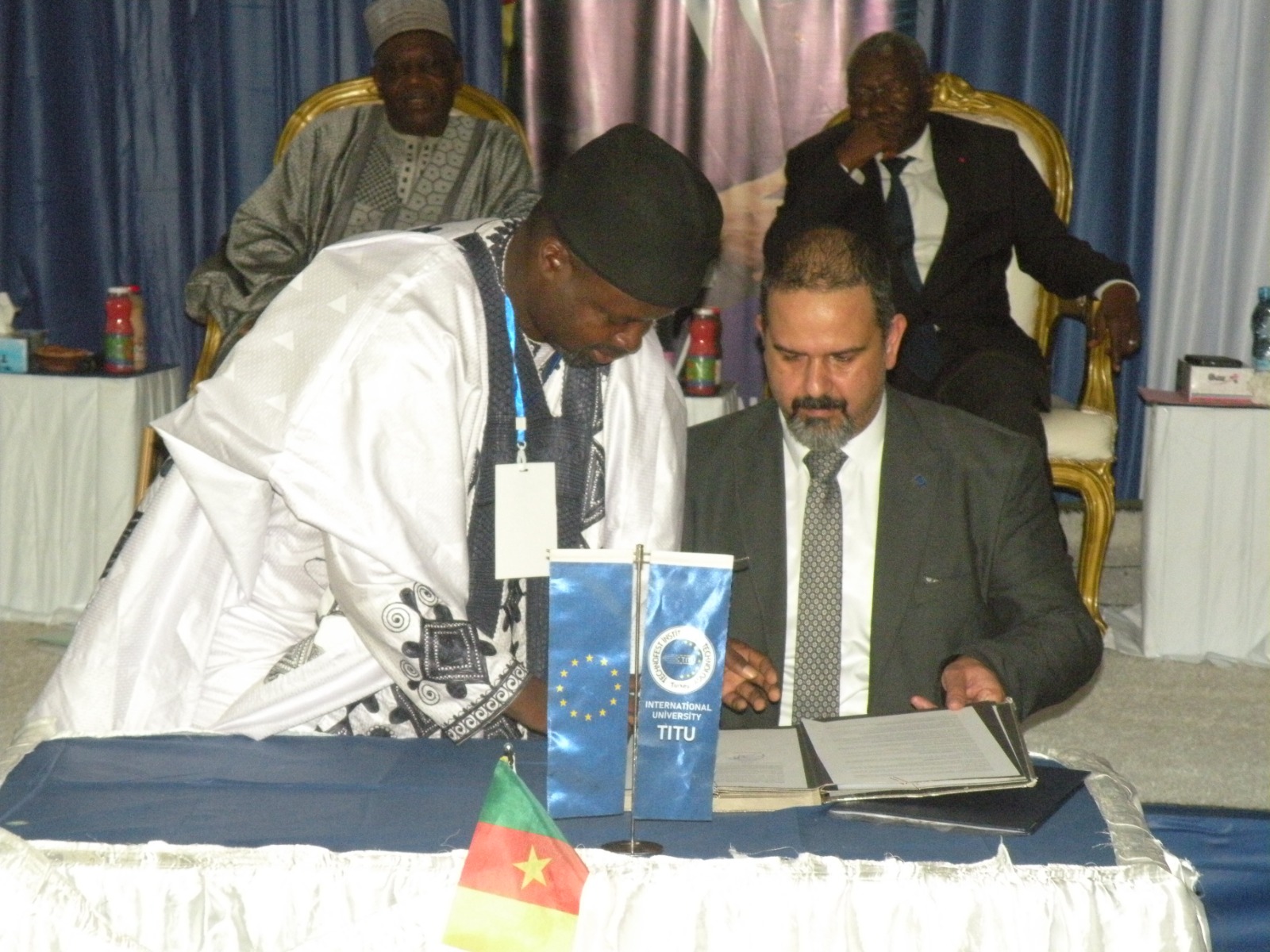
Prof. Dr. Mehrdad Fojlaley, Rector of the TITU Belgium Institute of Technology and Vice President of the BDU Diplomats Union, signed new agreements aimed at fostering commercial, academic, and technological cooperation with various institutions in Cameroon, particularly the Universities of Garoua and Yaoundé.
Under these agreements, the parties will cooperate to strengthen the capacity of small and medium-sized enterprises (SMEs) operating in Cameroon to access international markets. Key areas of cooperation will include innovation management, international branding, intellectual property rights, technology-driven business development, enhancing competitiveness, and facilitating access to international markets, particularly in Europe.
The agreements also cover the transfer of scientific research, advanced technologies, and innovative business models from Europe to African countries, as well as the development of joint projects in agricultural technologies, food security, food processing, sustainable production, and industrial innovation.
This visit to Cameroon is expected to help build a stronger bridge between African countries, particularly Cameroon, and the rest of the world through future initiatives in technology transfer, scientific cooperation, the establishment of international investment networks, and the commercialization of innovative products.
Further areas of potential collaboration include the development of joint educational programmes, the exchange of academic knowledge and expertise, scientific research activities, innovation projects, and technology transfer initiatives, paving the way for sustainable partnerships and new opportunities for international cooperation.